 Trustpilot
Moving to Spain:
all residency options
 We match you with the right Spain residency route for your income, work and family
- Legal support for your move to Spain at every stage
- After 5 years: long-term residence, Spain's equivalent of permanent residency


Programs Spain residence permits
Which Spain residence permit fits depends on what you will live on: remote work, passive income or study. Already living in Spain? You can renew your permit or switch to self-employment. Compare the programs below or let us review your case on a call.
Digital Nomad Visa
Remote income from €2,849 a month, permit for up to 3 yearsOur supportfrom €1,250Passive incomeNon-Lucrative Visa
Savings from €28,800 or income from €2,400 a monthOur supportfrom €1,950StudyStudent visa
Language school, college or university, funds from €600 a monthOur supportfrom €1,150Switch to self-employmentCuenta Propia
Not for a first application: a switch to your own business from inside Spain, for example from the Digital Nomad permitOur supportfrom €750Already living in SpainResidence permit renewal
On any grounds, 60 days before your card expiresOur supportfrom €500Pros and cons of living in Spain
What to know before moving to Spain, so you can choose a city and a residency program without surprises.


Pros of moving to Spain
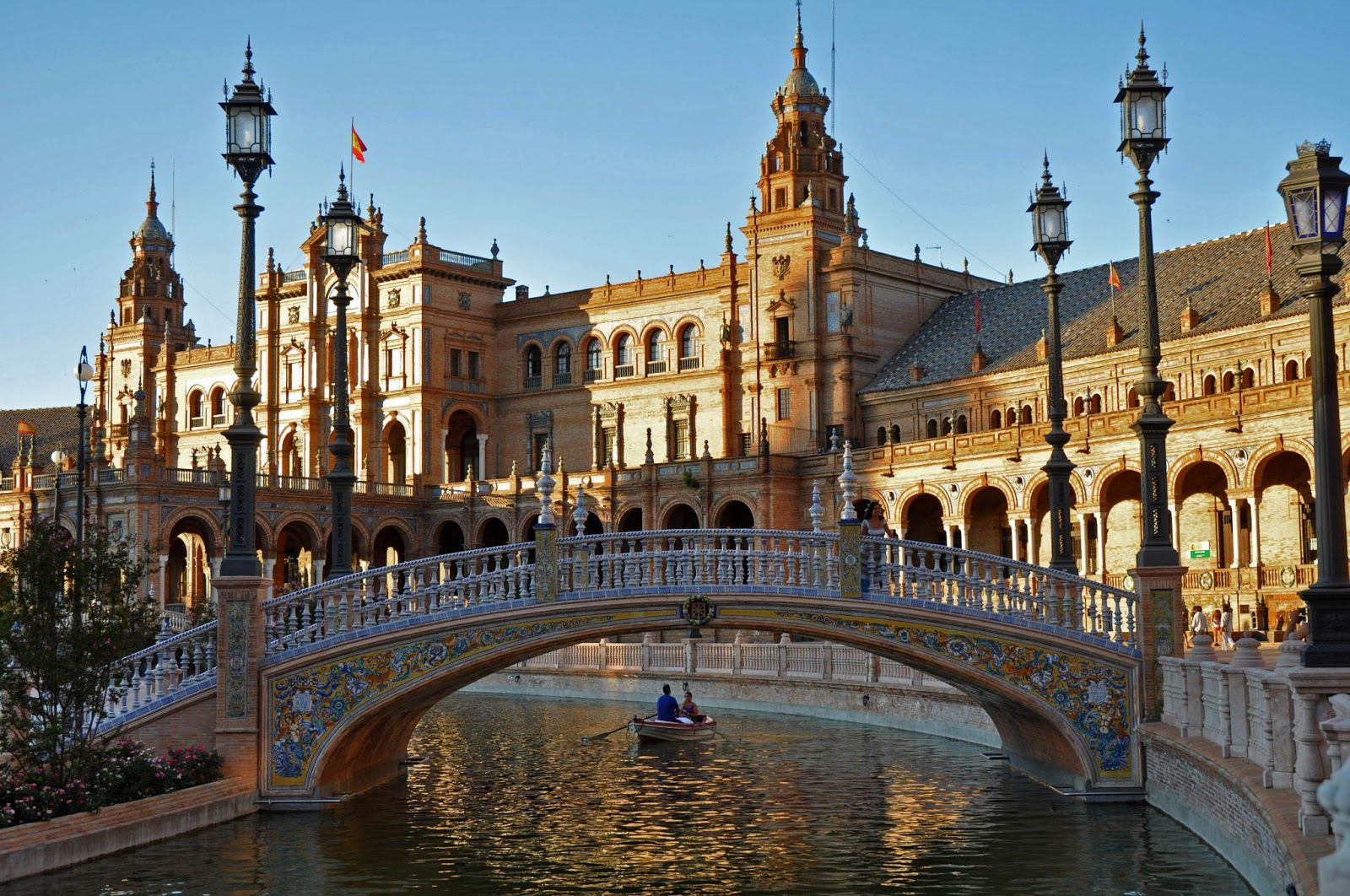
- Spain is one of the world leaders in UNESCO World Heritage Sites and has more Blue Flag beaches than any other country.
- Prices are low by Western European standards.
- Spaniards are friendly: they welcome newcomers, are happy to help and appreciate any effort to speak Spanish.
- Healthcare is accessible with affordable insurance, and there are good clinics and doctors in every region.
- Mediterranean food is among the tastiest and healthiest in the world.
- Strong universities and plenty of higher education options.
- High and still rising life expectancy.
Cons of moving to Spain
- The «mañana» habit: things often get pushed to tomorrow, although Spaniards do get the essentials done.
- Spaniards speak loudly and are expressive, but you get used to it quickly.
- You really need to learn Spanish: many people, even young ones, don't speak English.
- A complex tax system that is hard to navigate without a specialist.
- Heavy bureaucracy: paperwork often takes longer than expected.
Life in Spain
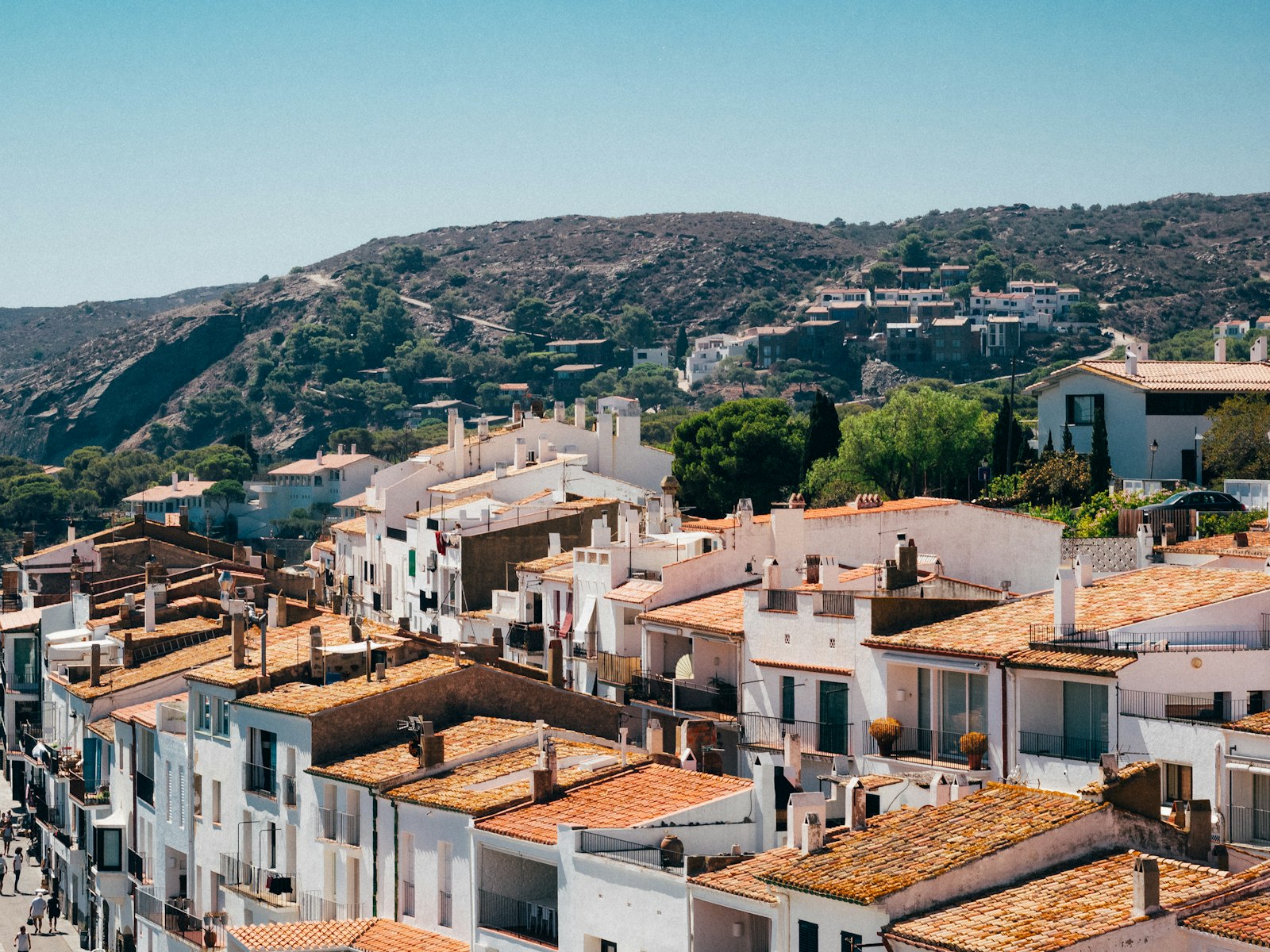
Spain is one of the most popular EU countries to move to: a mild climate, 260–285 sunny days a year, the sea, Mediterranean food and a lower cost of living than France or Germany.
WeatherAround 25–30 °C in summer and 10–15 °C in winter. Mediterranean climate.
Quality of lifeBig cities and seaside villages, with no shortage of shops, services and things to do.
ExpensesSeasonal produce and seafood are cheap, and rental prices are flexible.
Housing in Spain
Renting long term in Spain is fairly easy, but keep a few things in mind:
- a lease is usually signed for one year and renews automatically unless either side ends it. A landlord needs serious grounds to terminate, such as selling the property or proven damage;
- about half of landlords will ask for proof of income, such as an employment contract or a bank statement. Foreigners are often asked to pay 2–3 months upfront, sometimes six. The deposit is usually one month's rent;
- you can negotiate the price.
How listings are described
Spanish listings count bedrooms, not total rooms. A studio is a studio, and what many would call a two-room flat is listed as an apartment with one bedroom. A living room is always included, usually with an open-plan kitchen.
Rental prices
They depend on the area: the more desirable, the pricier. Prices start at around €350 a month, and a one-bedroom apartment costs €700–1,000 on average nationwide. Internet is usually included, but if you work from home with heavy data use, check the speed first.
Utilities
Building maintenance, waste collection, cleaning and pool care are usually included in the rent, about €50–70 a month depending on the community. Electricity and water are paid separately, around €200–250 a month.
Where to look
- Idealista
- Airbnb — for the first weeks
- Spotahome
- Alegria Real Estate
- Fotocasa
Healthcare in Spain
Spain's public healthcare system is rated among the best in the world for accessibility. Modern clinics and strong specialists can be found in every region, not just in big cities. Over 95% of residents are entitled to free care, and working residents and their families receive free routine and emergency treatment. Dentistry and cosmetic surgery are the exceptions.
The main drawback of public healthcare is waiting times: an appointment with a specialist can take a while. Private insurance solves this, and many private clinics have English-speaking doctors.
Who is entitled to free care regardless of nationality
- working foreigners;
- children under 18;
- pregnant women.
Medicines are not cheap, but with a prescription from a Spanish doctor they are heavily discounted, by 40–60% and sometimes up to 90%, or free.
Education in Spain
Education in Spain has four stages:
- preschool — for children under 6;
- primary school — ages 6 to 12;
- secondary — ages 12 to 16 (general) or up to 18 (vocational or university preparation);
- higher education.
Public and private nurseries and kindergartens are available for children under 3. Preschool from 3 to 6 is optional, but most Spanish children attend: they learn to read, write and socialise, and sometimes start a second language. Schools can be public (free), private or semi-private with partial state funding.
Higher education
- bachelor's degree — Grado;
- master's degree — another 1–2 years for a Máster;
- doctorate — Doctorado, three or more years after a master's, ending with a thesis defence.
Spanish university degrees are recognised across Europe. Study is also grounds for residency: see the student visa above.
Permit types in Spain
A Spanish residence permit is issued on specific grounds: remote work, passive income, study, self-employment or family. The grounds determine the income requirement, the right to work, the card's validity and where you apply — at a consulate or already in Spain. Below are the five programs we work with, plus other options.
Digital Nomad Visa (remote work residency)
- Who it's for
- Remote employees of foreign companies, self-employed people and freelancers with foreign clients
- Income
- From €2,849 a month (200% of the Spanish minimum wage) for the last 3 months; +€1,068 for a spouse and +€356 for each additional family member — or savings of €12,000 for a second adult and €5,000 per child
- Validity
- Applying from Spain — a card for up to 3 years right away; via a consulate — a 1-year D visa, then a 2-year permit. Renewals are for 2 years
- Where to apply
- From inside Spain through the UGE if you are there legally, for example on a Schengen visa — decisions take about 20 days; or at a consulate
You need a degree or at least three years of experience in your field, a contract with your employer or clients signed at least 3 months before applying, and an employer that has existed for at least a year. Spanish clients may account for no more than 20% of a freelancer's income. Bank statements from your home country are accepted; you don't need a Spanish bank account to apply. Remote employees can use the Beckham Law: a flat 24% tax instead of progressive rates.
Non-Lucrative Visa (no right to work)
- Who it's for
- People living on passive income or savings: rent, dividends, interest, royalties, pensions
- Funds
- Savings from €28,800 per year or passive income from €2,400 a month (400% of IPREM) for the main applicant; +€7,200 a year for each family member
- Validity
- First permit — 1 year, renewal — 2 years, after 5 years — long-term residence
- Where to apply
- At the Spanish consulate in your country of residence; by law the decision takes up to 3 months
You cannot work for a Spanish employer or run a business in Spain. Remote work for foreign companies is a grey area, and such income should not be used as proof of funds. The source of funds must be documented and taxed. You need private insurance from a Spanish insurer with no deductible or co-payments. To renew, you must spend more than 183 days a year in Spain.
Student visa (estancia por estudios)
- Who it's for
- University, college and vocational students, and language course students
- Funds
- From €600 a month for the whole study period, €12,000–14,000 at the start
- Validity
- First permit — 1 year
- Renewal
- More than 183 days in Spain, continued studies, savings from €11,000, insurance and registration
There is no age limit. Accreditation is checked for the specific program, and language course attendance must be 70–80%. At renewal you can switch grounds, for example to a work permit or the Digital Nomad Visa.
Self-employment permit (Cuenta Propia)
- Who it's for
- People already living in Spain on another permit who want to work for themselves
- Important
- Not for a first application: it is a change of grounds, for example from the Digital Nomad or student permit
- Requirements
- From €8,500 for the main applicant, a business plan approved by a self-employed workers' association, a degree or experience
- Processing
- 3–6 months; permanent residency after 5 years
Suits those who want to work in Spain as autónomo in any field matching their experience — without ENISA requirements or an innovative project. You cannot work as an employee on this permit.
Residence permit renewal
- Who it's for
- Holders of a Spanish residence card
- When
- Ideally 60 days before expiry; up to 90 days after is allowed
- Fee
- From €16 to €75; by law the decision takes up to 3 months
Conditions depend on the grounds: income, insurance, taxes and social security. You can also change permit type when renewing. We check that you meet the conditions and prepare the documents so you don't have to start over.
Other routes
- Startup visa — a 3-year permit for business projects and teams of up to 5 founders with their families.
- Employment (Cuenta Ajena) — you can switch to it at renewal, for example from a student permit.
- Family members and children born in Spain — we advise on renewals and legal questions.
How to get Spanish residency
- Choose your grounds
The permit depends on what you will live on: remote work, passive income or study. Self-employment comes later, by changing grounds.
- Gather documents
Certificates are issued in your country of residence, apostilled and translated into Spanish by a sworn translator. They have limited validity, so the order matters.
- Apply
At the consulate or visa centre in your country of residence. For the Digital Nomad Visa you can also apply from inside Spain through the UGE if you are there legally.
- Arrive and register
After arrival, complete the empadronamiento — registration of your address at the town hall.
- Finish settling in
Complete the final registration of your residence in Spain.
- Renew and build up time
Renewals are filed 60 days before the card expires, and you can change grounds when renewing. After 5 years of legal residence — long-term residence.
Documents for Spanish residency
The exact list depends on the grounds and the consulate, but the core set is almost always:
- Passport valid for at least one year, plus copies of all pages
- Official application form and photos
- Apostilled criminal record certificate from the countries you have lived in recently
- Medical certificate (for visas filed at a consulate)
- Health insurance valid in Spain
- Proof of income or savings: bank statements, contracts, pension or rental documents
- For the Digital Nomad Visa — client contracts or employment contract, employer letter, degree or proof of experience
- For study — proof of enrolment and tuition payment
- Sworn Spanish translation of every document not issued in Spanish
- Proof of payment of the government fee (form modelo 790, code 052)
Costs of Spanish residency
Costs are made up of mandatory fees, document preparation and legal support. Your income and savings are not a cost but a requirement: you only need to prove them.
| Item | Amount |
|---|---|
| Permit fee (modelo 790, code 052) | Digital Nomad — €74 review fee, study — €10.94, renewal — €16 to €75 |
| Consular or visa centre fee | Per the consulate's or visa centre's rates |
| TIE residence card (modelo 790, code 012) | About €16–17 per person, paid after approval |
| Apostille and sworn translation | Digital Nomad — from €400–600, study — €150–300 |
| Health insurance | Study — €50–100 a month, Digital Nomad as an employee — from €660 a year |
| IMIGRATA support | Digital Nomad — from €1,250, Non-Lucrative — from €1,950, study — from €1,150, Cuenta Propia — from €750, renewal — from €500 |
Taxes for Spanish residents
You become a Spanish tax resident if at least one condition applies: you spend 183 days or more in Spain in a calendar year, your centre of vital interests is here (for example, your family lives here), or you earn income in Spain. Tax residents file a return and pay tax on worldwide income.
Remote employees on the Digital Nomad permit can use the Beckham Law: a flat 24% rate, and foreign income beyond the declared nomad income is not taxed. For self-employed people and freelancers, the effective rate is about 20% on income up to €60,000 a year, with social security of about €87 a month in the first year.
Refusals: common reasons
- Income below the threshold or not documented from a stable source
- Documents without an apostille, without a sworn translation or expired
- Insurance with a deductible or without full cover in Spain
- For the Digital Nomad Visa — a contract signed less than 3 months before applying, a company less than a year old, or no degree or 3 years of experience
- For the Non-Lucrative Visa — signs of work or business in Spain
You can appeal a refusal or reapply after fixing the issue. We analyse the reason and choose the faster route.
Permanent residency and Spanish citizenship
After 5 years of legal residence you can get long-term residence, Spain's equivalent of permanent residency. This applies to all our programs: Digital Nomad, Non-Lucrative, student and Cuenta Propia.
Citizenship is the next step after long-term residence. The timeline depends on your nationality — we'll go through it on a call.
Spain residency programs compared
Your case will be handled by

Polina Ukhanova
Polina started her journey in Spain in 2012. She leads our Spain department and knows the country's immigration programs inside out. Last year alone, more than 100 families valued her professionalism and the care she brings to every case.

Sviatoslav Afanasov
Sviatoslav moved to Spain through a Spanish language program. He has built a database of suitable language schools and will be your experienced guide for study-based moves and the Digital Nomad Visa.
Spain residency FAQ
What types of residence permits are there in Spain?
The main routes are the Digital Nomad Visa for remote workers, the Non-Lucrative Visa for people living on passive income, the student permit for university and language course students, Cuenta Propia for switching to self-employment if you already live in Spain on another permit, and renewal of an existing permit. We'll help you choose the right grounds for your situation.
Which Spain residency program should I choose?
It depends on your source of income. Remote work — Digital Nomad Visa; passive income — Non-Lucrative Visa; study — student visa. Cuenta Propia suits you if you are already in Spain and want to start your own business. Not sure? We'll review your situation on a call.
Can I get Spanish residency by buying property?
No. Spain's golden visa for real estate investment closed to new applicants on 3 April 2025. Today people move on other grounds: remote work, passive income, study or their own business.
Can I apply for residency while in Spain?
Yes. The Digital Nomad Visa and a change of grounds (for example, Cuenta Propia) can be filed from inside Spain if you are there legally.
How much does support in Spain cost?
IMIGRATA support costs from €500 to €1,950 depending on the program. Government fees, translations and insurance are paid separately — we'll calculate them on a call.
How long does each program take?
Digital Nomad — about 2.5–4 months from application to card; Non-Lucrative and study — about 4–6 months; Cuenta Propia — 3–6 months.
Do I need to speak Spanish to get residency?
No Spanish is required for these programs. It will help with daily life in the country.
How many years until permanent residency and citizenship in Spain?
Long-term residence is available after 5 years of legal residence. The citizenship timeline depends on your nationality — we'll go through it on a call.
Can I move with my family?
Yes. On the Digital Nomad Visa your family gets cards together with you: you need +€1,068 of income for a spouse and +€356 for each additional family member, or savings of €12,000 and €5,000. On the Non-Lucrative Visa you show an extra €7,200 a year per family member.
Can I get Spanish residency right now?
Yes. Spain issues permits to digital nomads, financially independent people and students, and those already in the country can renew or switch to self-employment. Only the real estate golden visa is closed — since 3 April 2025.
How much money do I need for Spanish residency?
It depends on the grounds: €28,800 a year for the main applicant on the Non-Lucrative Visa, from €2,849 a month on the Digital Nomad Visa, from €600 a month for study. Plus government fees, insurance, translations and support.
How many years do I need to live in Spain to get permanent residency?
Five years of legal residence — then you can get long-term residence.
Can I work on a Non-Lucrative Visa?
No, you cannot work for a Spanish employer or run a business in Spain. Remote work for foreign companies is a grey area, and such income should not be used as proof of funds. If you work remotely, the Digital Nomad Visa is the better fit.
Can US, UK and other non-EU citizens apply for Spanish residency?
Yes, all these programs are open to non-EU nationals. National visas are filed at the Spanish consulate or visa centre in your country of residence. For the Digital Nomad Visa you can also apply from inside Spain if you are there legally, and bank statements from your home country are accepted. Your criminal record certificate must be apostilled and translated by a sworn translator, and statements and contracts must clearly show the source and amount of income.
Book a consultation on moving to Spain
45 minutes of in-depth conversation — a great way to take a big step towards your move.